

Can a Square become a Circle?
What geometry can teach us about our creative identity

Hey Internet Friends,
I’m starting to realize that this Substack probably won’t change your life, but somehow, it’s slowly changing mine.
And for that, I’m endlessly grateful.
Writing here has become an act of gratitude toward my own creative process, and honestly, my own form of therapy.
These days I’m back home, in my parents’ house, deep in the Italian countryside. It’s that moment of the year when life suddenly slows down. I still can’t decide whether I like it or not, but I always feel that familiar warmth, the quiet safety of knowing where everything is, and where I come from.
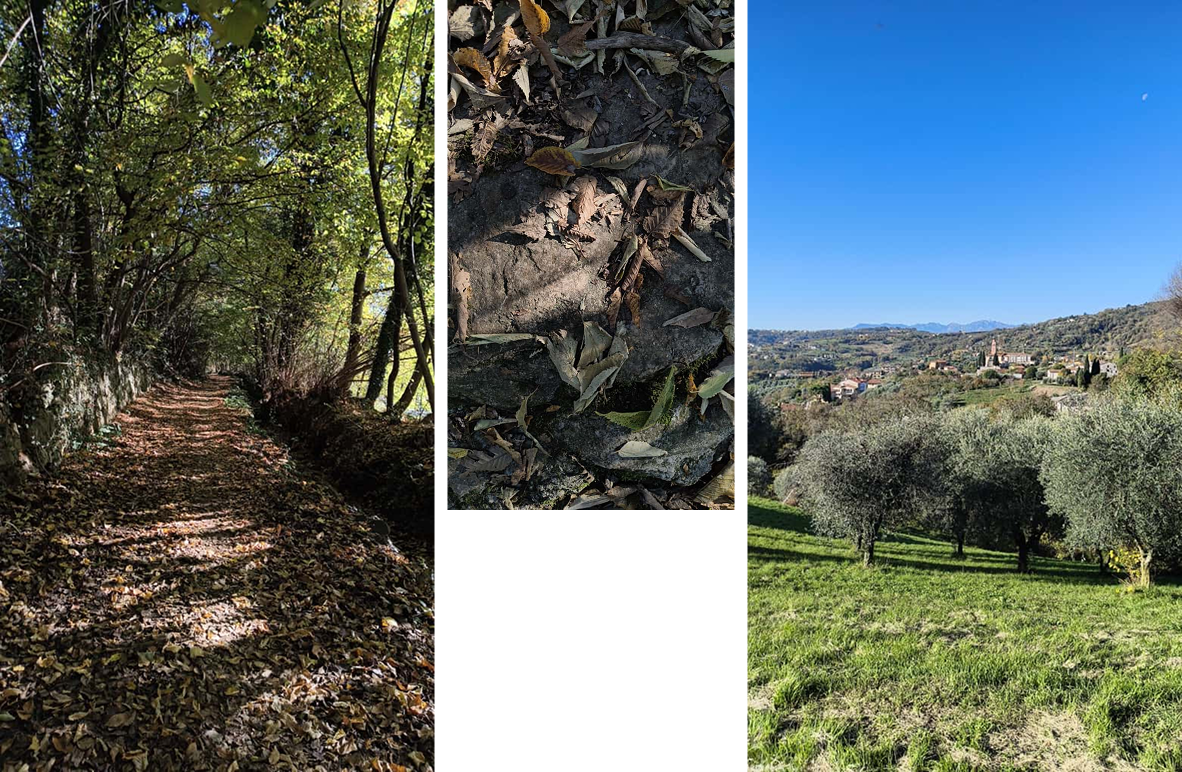
As I walk through the small town where I lived for 18 years, I’m struck by a strange sense of alienation.
I get lost among the same houses and gardens I used to pass as a kid, feeling my life pause for a few days.
For the past ten years, I’ve been in constant motion, while here, these same streets are still not paved, and those vineyards still look at me without ever daring to judge.
I walk quietly so no one notices me, while cars pass too close, and I realize how the lives of others here, though they move forward, seem to stay perfectly still.
My life, on the other hand, feels like a never-ending learning process, constantly starting something new, always chasing what’s next.
It seems impossible to cultivate one of those rose gardens I see along the way, watered with love for probably fifty years straight.
My rhythm has always been different: planting, watering, wilting, uprooting, replanting.
The geometry of belonging
That’s when it hit me, people here are squares.
And I, most likely, am a circle.
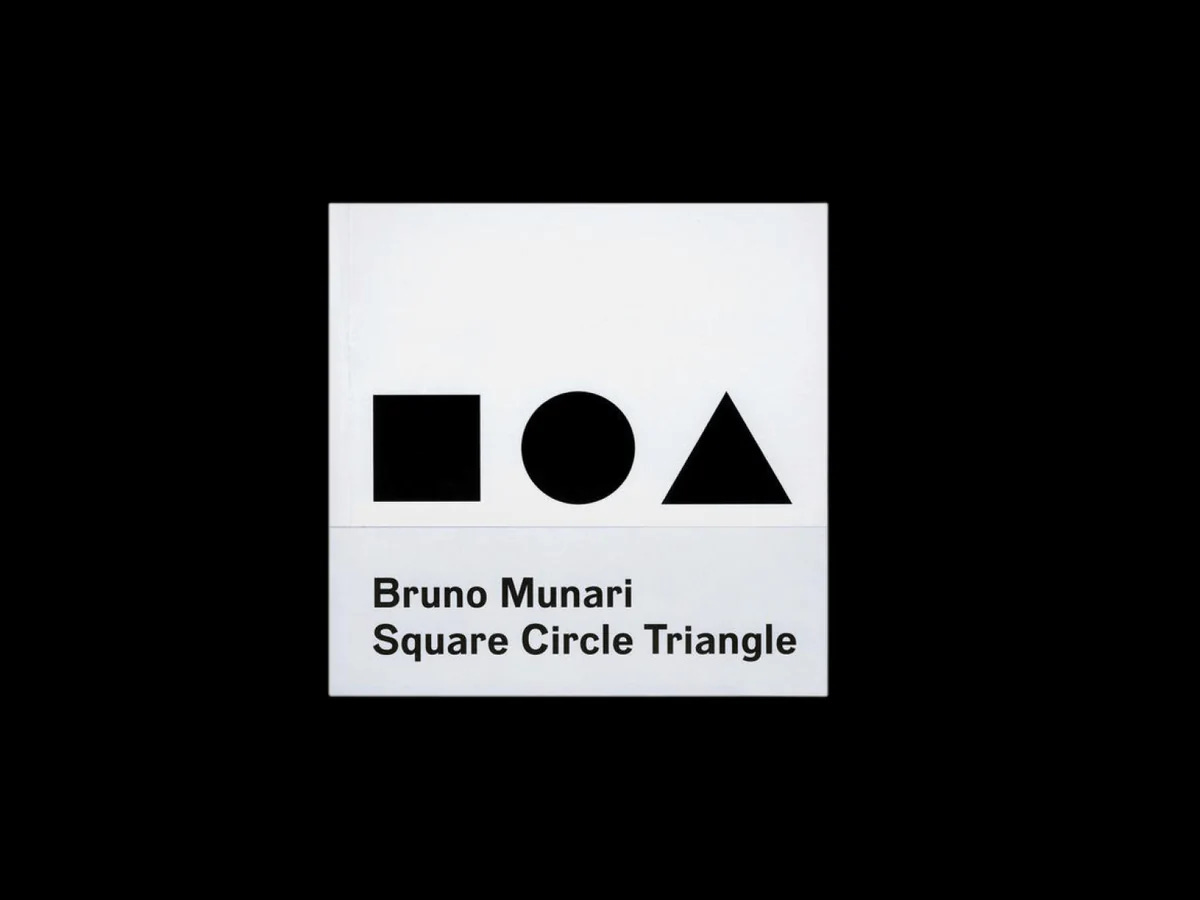
I know, it sounds like something out of a Munari or Mendini book, but I’ll borrow it just for today (and if these words belong to someone else, please, let me know).
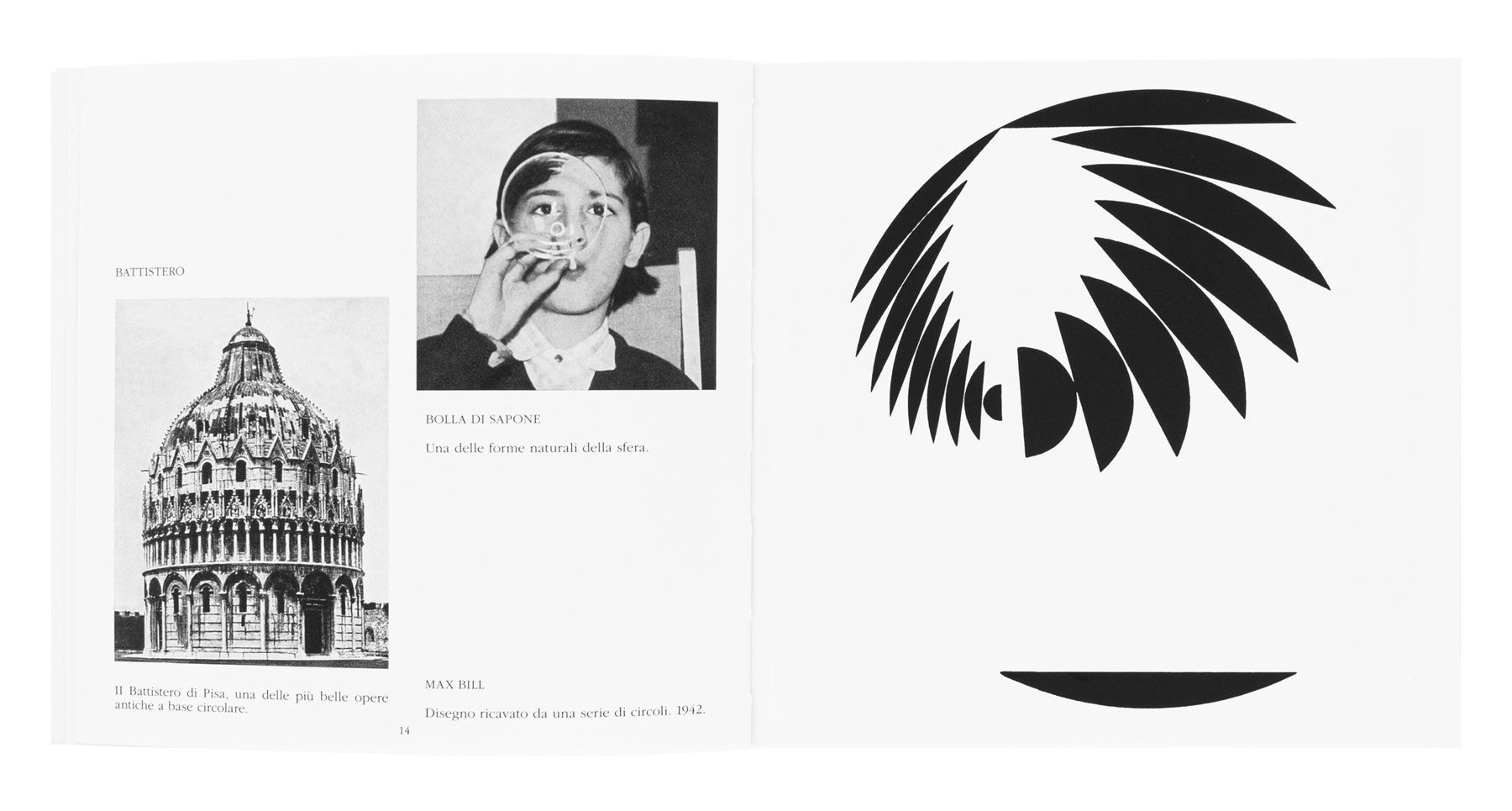
If the square is related to humans and their constructions — to architecture, harmonic structures, writing, and so on — the circle has divine relations. A circle has represented, and still represents, eternity, having neither beginning nor end.
— Bruno Munari
I was raised as a square.
The corners were the cardinal points of life: family, education, work, and love. The four necessary compromises to keep the shape anchored to the ground, the pragmatic structure of a life carefully drawn in advance.
But what happens when you try to roll a square? It doesn’t roll. Or rather, you have to push hard, and every time it meets a corner, it almost stops.
It’s a stable shape, meant to stay in place, base times height.
Even in Italian, we say sei quadrato (You’re squared, literally) to describe someone who struggles to step outside the frame, who needs routine, who needs certainty.
The square suggests safety: it’s stable, solid, grounded. But if you rotate it and balance it on one corner, you get movement — and instability.
— Bruno Munari, “Design as Art”
The circle and its restlessness
I’m a circle raised in a land of squares.
The circle is unstable; it rolls up and down, slips away if you try to stop it, and sometimes even hurts when it rolls against you.
It’s made of millions of invisible points.
And yet, the paradox of the circle is that it’s both the most complex and the simplest shape that exists, so dense with points you can’t count them, a maximal complexity that becomes ultimate simplicity.
Just a line closing in on itself, and there it is: a circle.
I’m a circle because I’m constantly moving, never steady, always reaching for something I know I’ll never fully grasp, and when I do, I immediately start looking for something else.
I slide away, like my thoughts do.
As I walk, memories bloom like wildflowers between dry leaves and the ruins of abandoned houses.
I feel tactile memories, like a ball rolling over other people’s lives, dragging bits of everything along.
That’s exactly how my creative process works: a ball rolling over experiences, briefs, tools, and people, leaving behind a sticky, organic, in-between trail.
Something dense, something that refuses definition.
A material that probably hasn’t been invented yet, or maybe it’s just a strange blend of textures that hasn’t been named.
Maybe that’s my job: to name it, to give it shape, to make it recognizable.
That’s why my creative process is a circle, and I am a circle made of infinite experiences that pile up into this rolling residue, this practice that might one day make sense, or maybe not.
A process that refuses to stop, that doesn’t seek completion.
The guilt of the circle
The uneasiness of the circle lies in its motion; it can’t stay still, it has no base to rest on, and even the slightest slope makes it roll away.
As I walk through these streets, I feel guilty for being a circle.
Because I was supposed to be a square. That’s what my environment, my context, my culture chose for me, squareness.
At the end of my walk, I stop in front of a gate that’s always been closed.
As a child, I used to imagine what might be behind it, what kind of people lived in that unseen house, and whether the gate ever really opened.
I stand there, in front of the bamboo covering it, and I ask myself:
Can a circle ever have corners? And if so, what are the corners of a creative person?
I’d really appreciate having your thoughts about it. It means the world to me.
Until next time,
L
Love this perspective! You really captured that feling of coming home and finding yourself both comforted and totally alien at the same time. It's like you're in a diferent iteration of yourself, even if the surroundings are stuck on an older version. I feel that constantly with my teaching and AI stuff, always moving forward, never staying still.